


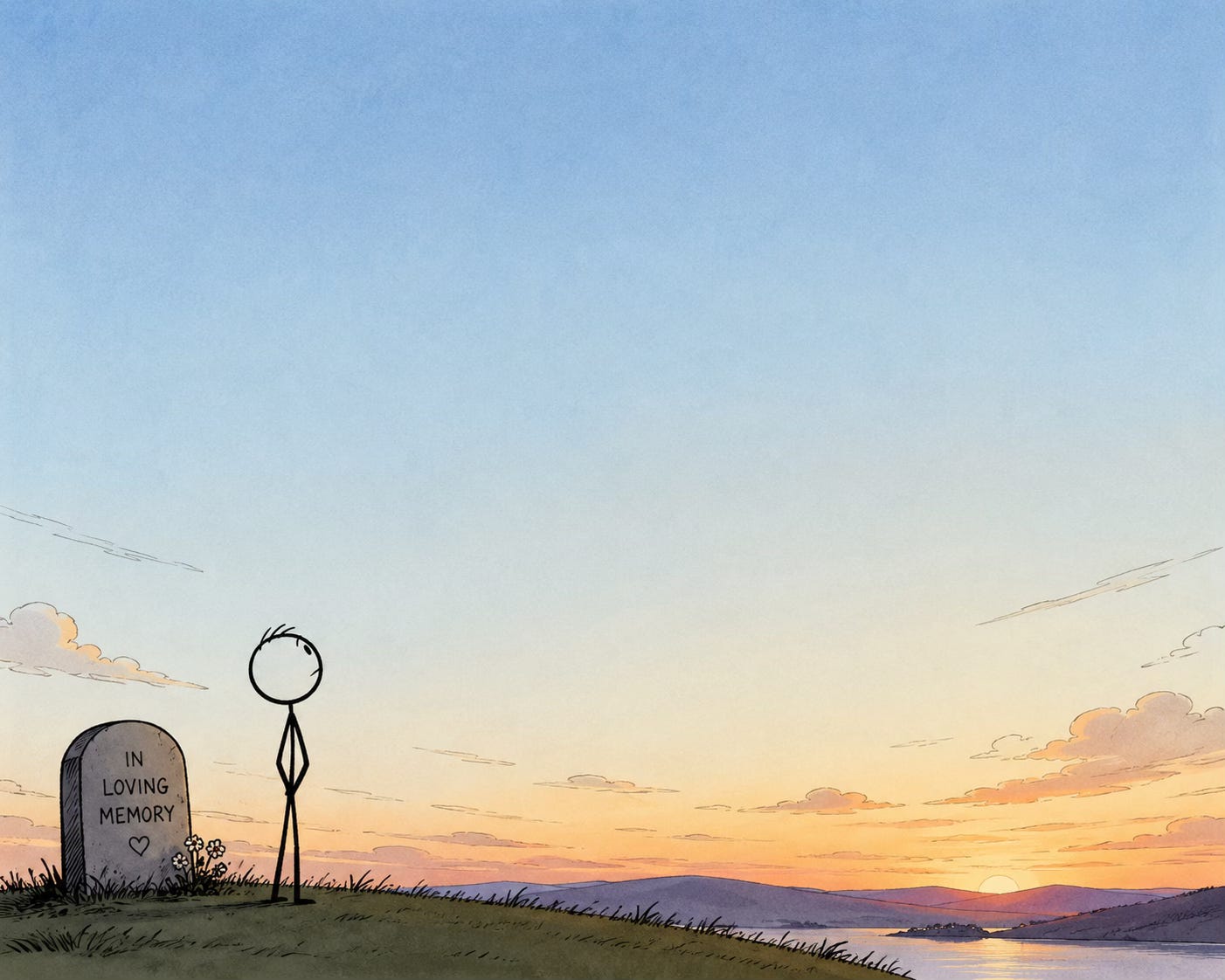
I remember the day Arthur arrived to the psychiatric unit that I worked in. A little on the short side, wearing hospital scrubs, slightly balding and with John Lennon glasses, he was softspoken and appeared completely shut down. It took some time to get him comfortable enough to talk, not unusual for someone new to inpatient psychiatric care. We moved to a separate room and sat in silence for a bit. While I had read his chart beforehand and had a basic understanding of his medical situation, I started out with the usual question I asked of any new patient: ‘How did you find yourself in a psych hospital and how can we help?’ He paused for several seconds before finally speaking, ‘I was drinking, and I…I imagined throwing myself from the balcony. I went out to the railing and stared down for a good 20 minutes, trying to get the courage. I told my son about it the next day, and I wound up here.’ Arthur, I learned, lived in a high-rise, and a fall from the balcony would have meant certain death. With further prompting, he proceeded to fill in the details. His wife of 35 years passed away last month of brain cancer that had only been detected 3 months previously. She had been the most important thing in his life, and he had not been doing well since. His son is supportive but lives on the other side of the country. His usual small glass of whiskey in the evening had increased in the past few weeks to an entire fifth every 1-2 days. This, no doubt, contributed to the severity and intention of his suicidal thoughts, but it was the overwhelming grief of the loss of his wife that had driven him to want to give up on the remainder of his life. Like so many of my patients, Arthur was Christian, a ‘lapsed Episcopalian’ as he referred to himself. He had not been to church for several years prior to the death of his wife. He informed me that, while he tried to convince himself that she is in Heaven, he had been having trouble believing that an afterlife exists, despite it being a significant part of his belief system since childhood. He said that he had never felt so alone. His despair was palpable.
Arthur is an amalgamation of patients that I have seen over the years; his story, all too common. To be human is to fear death, both for ourselves and—sometimes more profoundly—for our loved ones. There is no escaping the anxiety of the pain and loneliness that can accompany the loss of someone close to us. Religion has long held a monopoly over conversations about death. Indeed, the Afterlife as a concept is a near universal across cultures and religions. For slightly upgraded primates that found ourselves suddenly conscious in an inexplicable world a few hundred thousand years ago, a supernatural understanding of the world provided answers to an endless list of questions about existence, experience, and death; in a modern digital age, a supernatural understanding of the world struggles to compete with the evidence of materialism and science. As the supernatural stories we have told ourselves throughout our human history become increasingly obvious fictions, the questions that they attempted to answer, confront us once again: If there is no Afterlife, what happens after death? What is this all for? How do we go about our daily lives without endlessly fixating on our inevitable end or the deaths of loved ones?
In the US specifically, Americans have managed to maintain a belief in the supernatural more strongly than in any other Western country, and with that, the concept of Heaven—the never-ending, wondrous place with golden streets and endless joy. Despite the hold of Christianity, however, a smaller percentage of Americans today goes to church than at any time in our past, and there is a growing undercurrent of people self-identifying as non-religious. Where do the non-religious turn for comfort in death, or those whose faith has been too tempered by reason and a modern understanding of science? For as much as the supernatural answers to questions about death are seemingly childish and rely on an ability to simply pretend it away (despite all evidence to the contrary), the materialist worldview offers no comfort and provides no easy answer. This series of essays opens a door on this question: How does a materialist--whether atheist, agnostic, or a believer who is simply too rational to accept certain aspects of the supernatural worldview—deal with the inescapable endpoint of the game of life?
Next up: Part 2. Reframing Death